
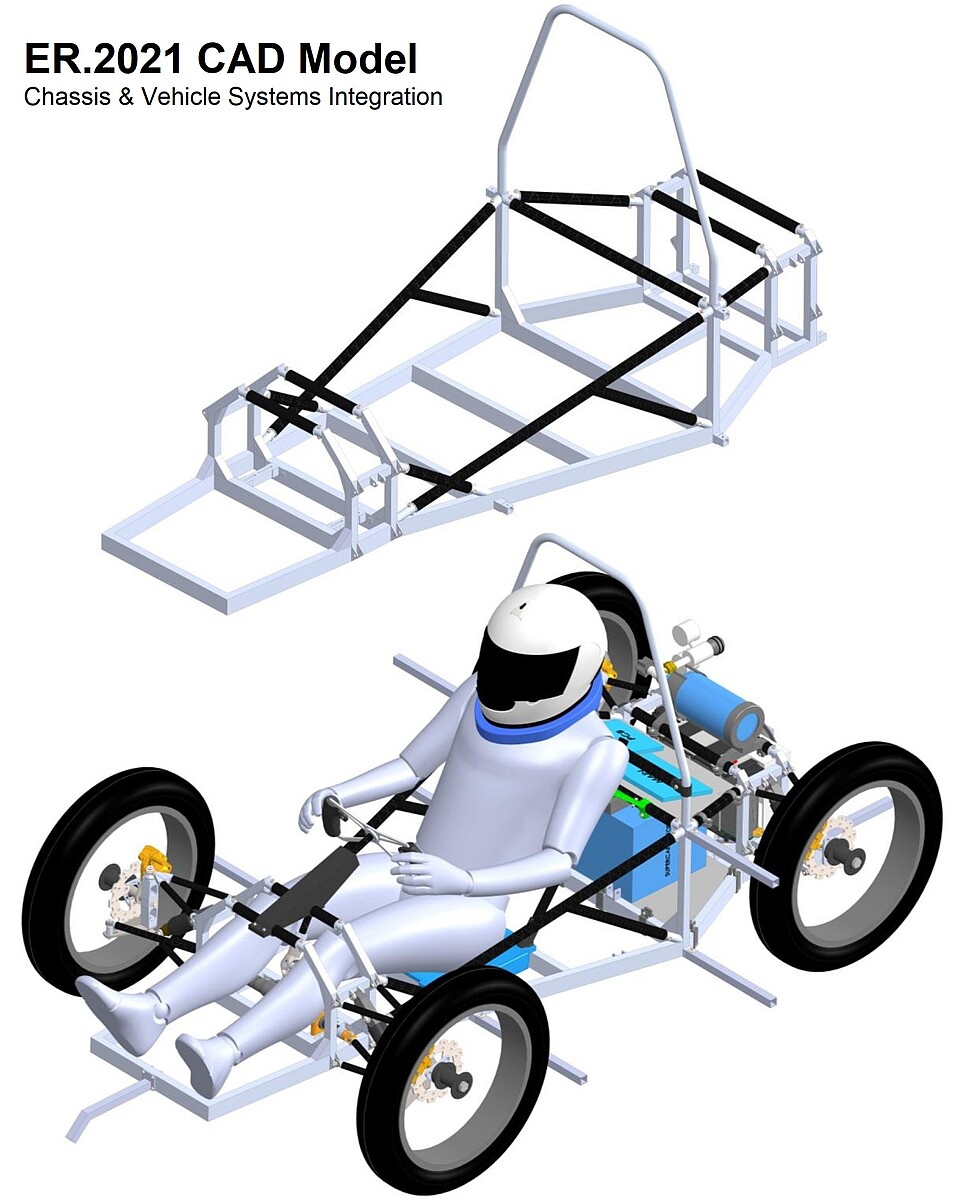
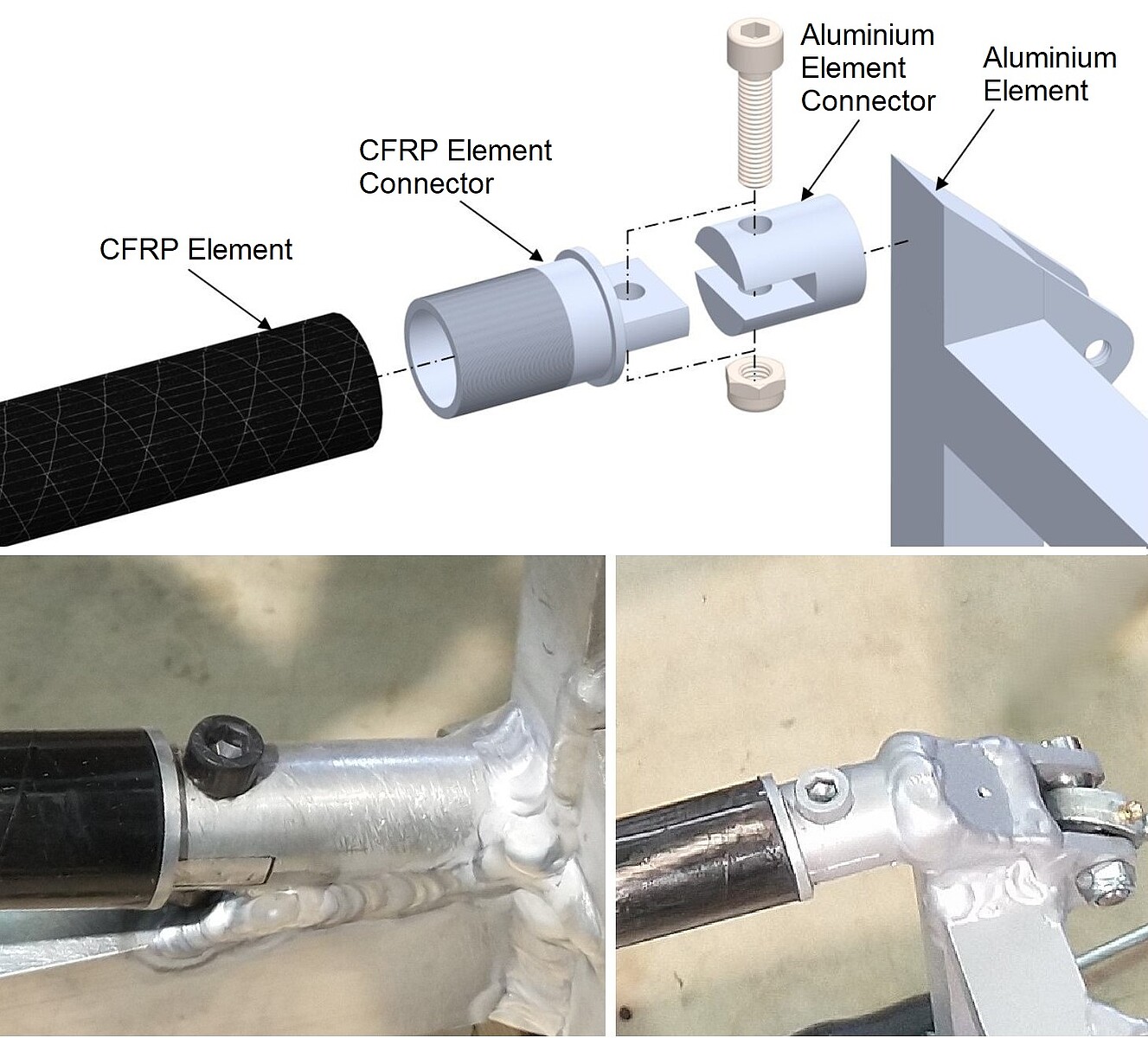

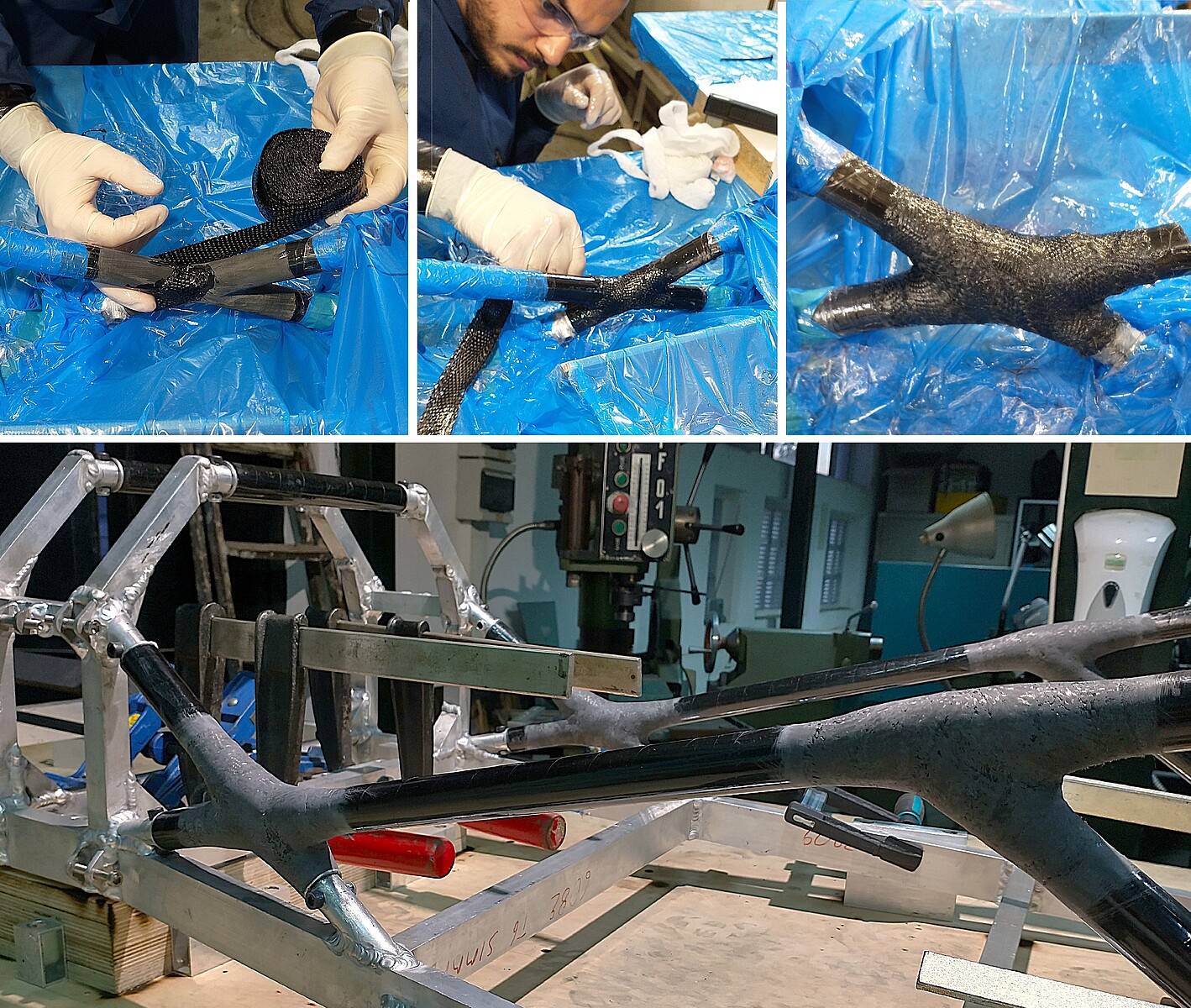
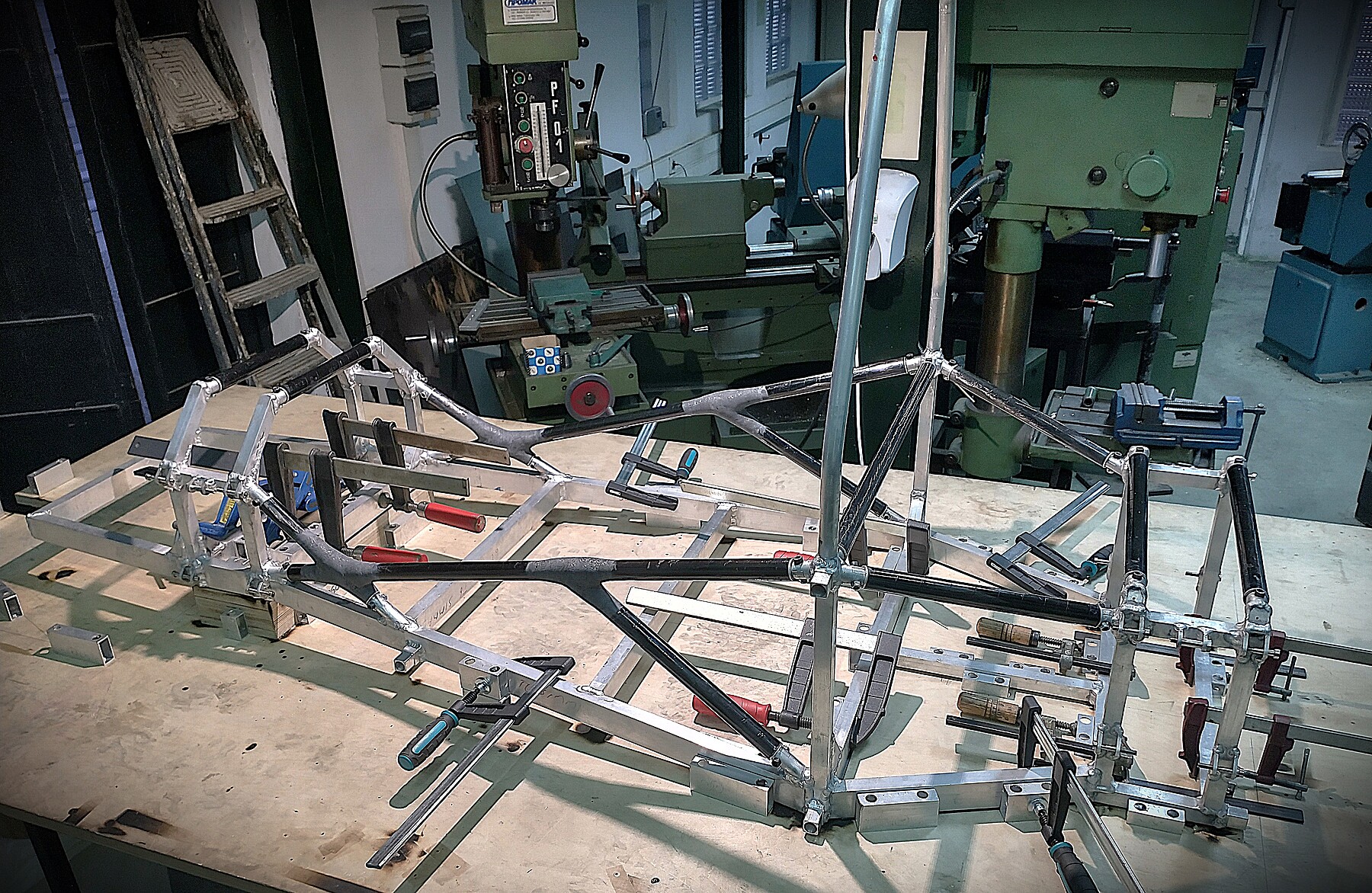
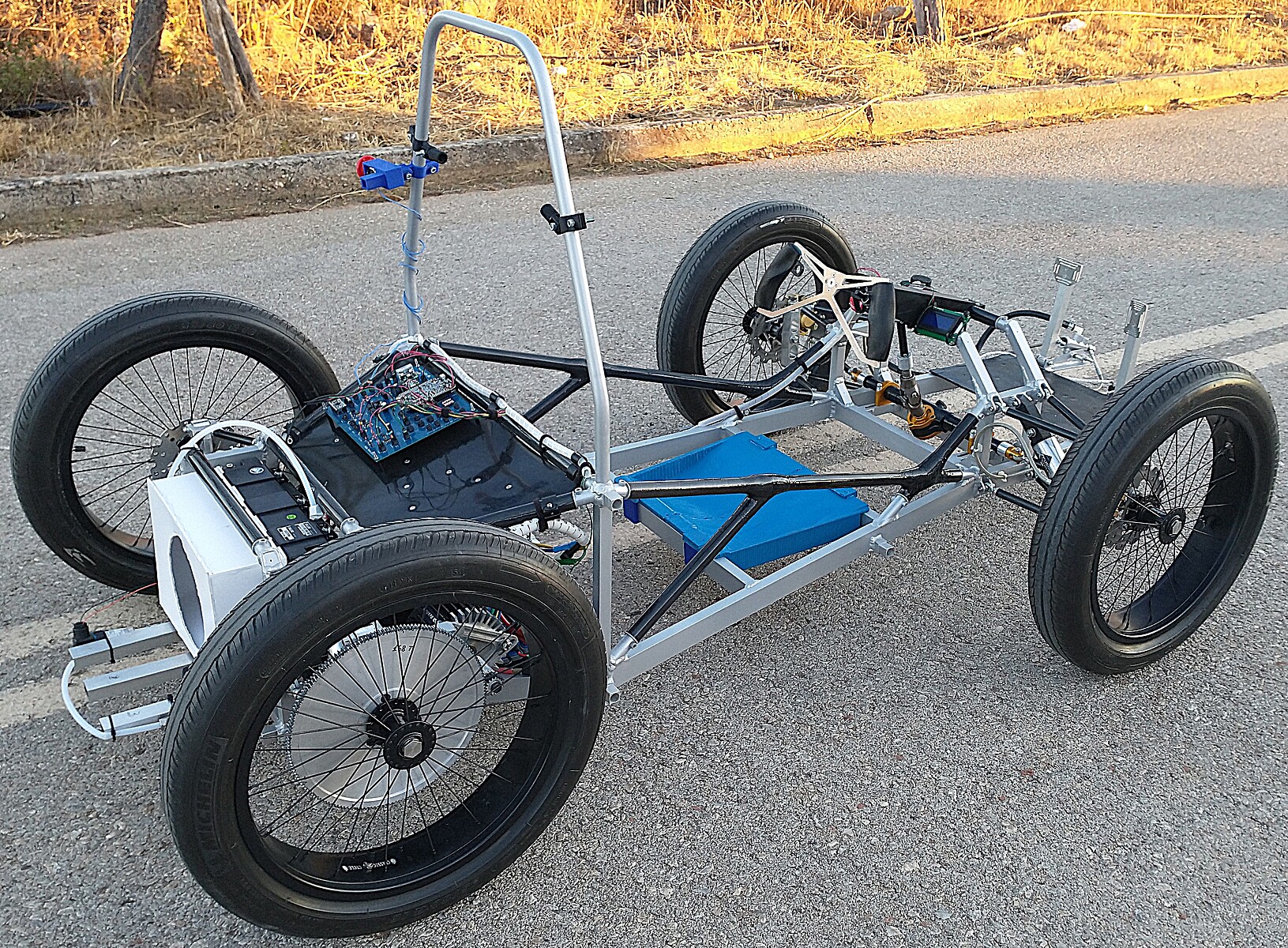
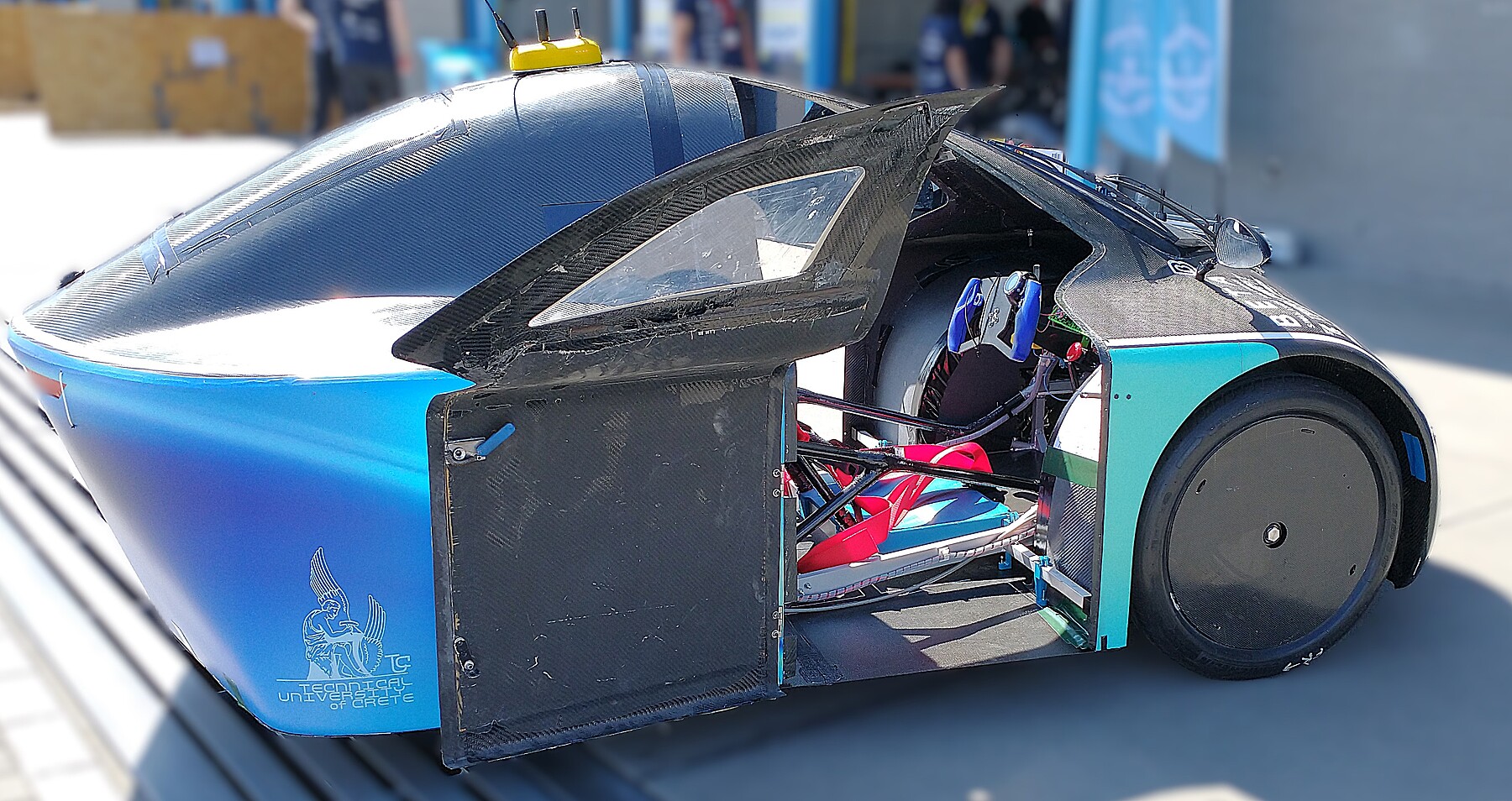
The load-bearing structure that supports, protects, and interconnects the individual systems and components of the TUCer team’s race vehicle is the ER.2021 chassis. Manufactured in 2021, it continues to serve as the primary load-bearing structure of the team’s evolving vehicle, which recently participated in the 2026 Shell Eco-marathon. It is a lightweight hybrid spaceframe chassis that combines structural elements made of aluminium alloys and carbon-fibre composites (CFRP), taking advantage of the different mechanical properties of these materials in areas with corresponding structural requirements.
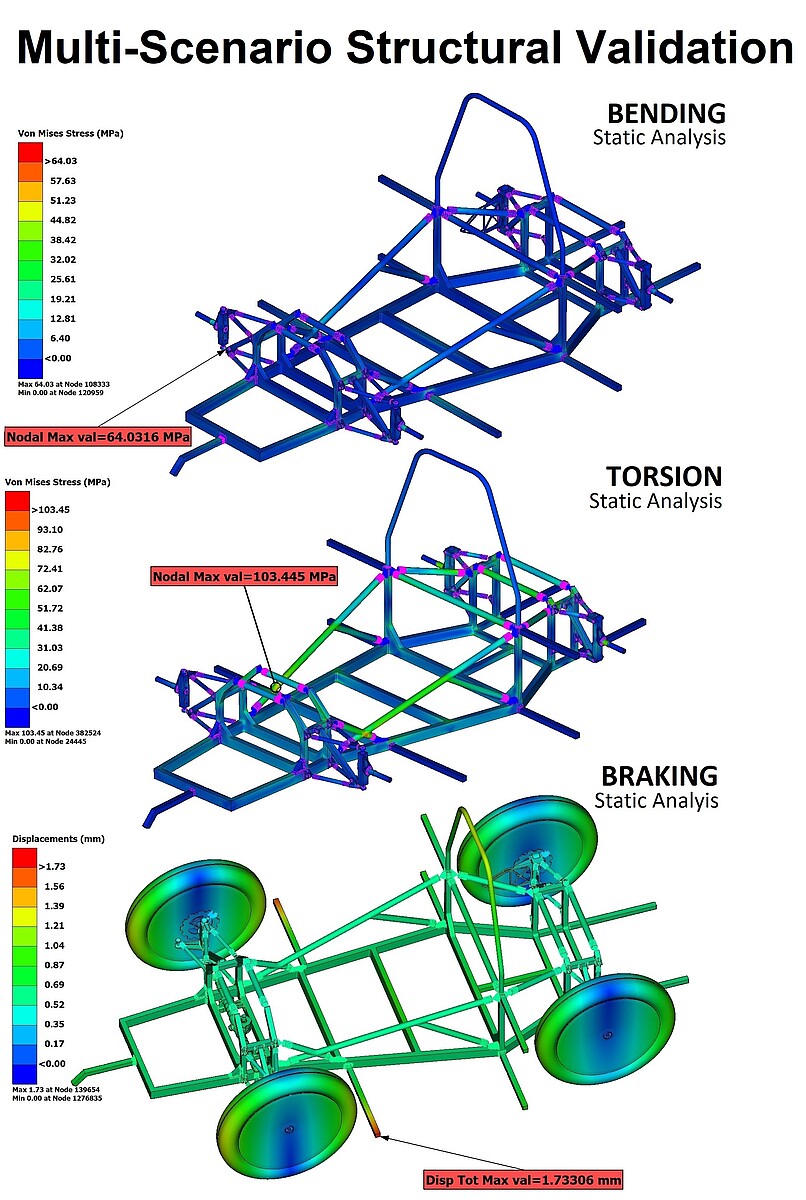
The geometric configuration of the chassis was developed using specialised CAD software, following a specific design methodology aimed at achieving the required strength and stiffness under the anticipated on-track vehicle loads. At the same time, particular emphasis was placed on maintaining a very low chassis mass, thereby also contributing to the vehicle’s energy efficiency. Driver safety, manufacturability, and the integration of the vehicle’s individual systems (suspension, steering, power transmission, etc.) were also taken into consideration during the design process. The mechanical behaviour of the chassis was evaluated under three primary static load cases: bending, torsion, and braking, in order to evaluate its response to the most critical loads developed during vehicle operation. The numerical investigation and evaluation were carried out using the ANSA and META computer-aided engineering software tools developed by BETA CAE Systems.
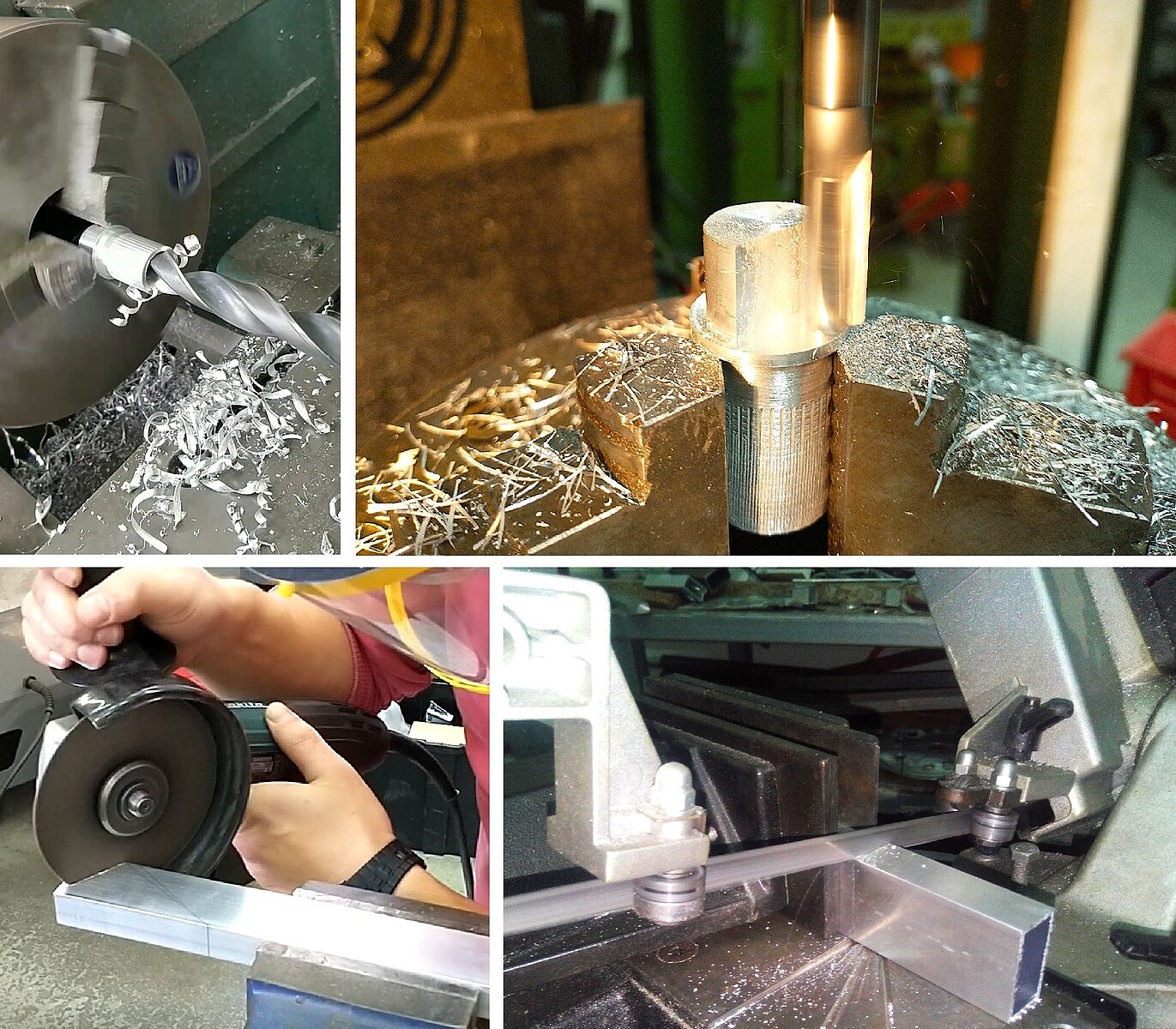
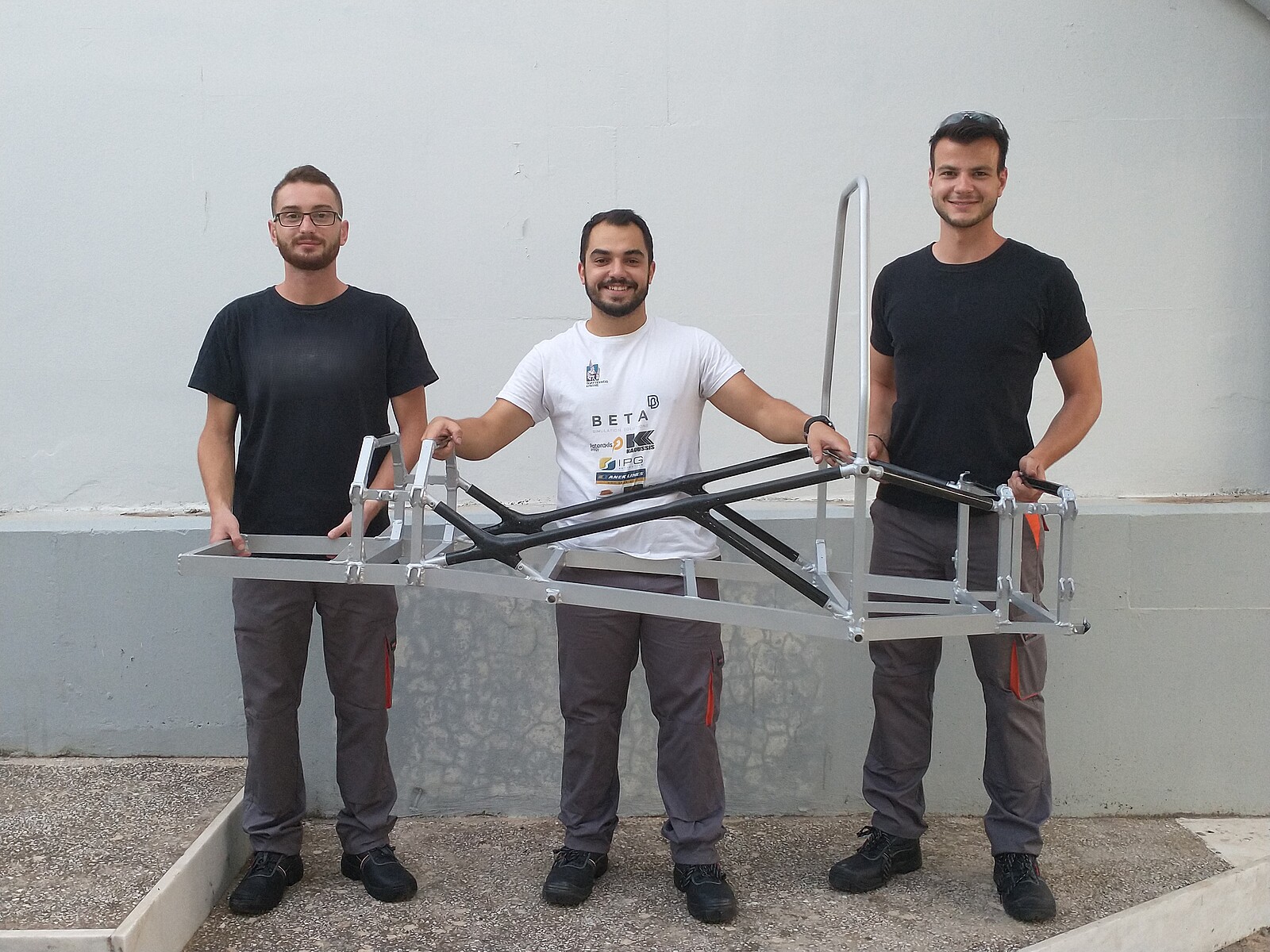
The chassis was manufactured in 2021 by three students from the TUCer team (2020–2021), Theodoros Stefanoulis, Konstantinos Sachinidis and Panagiotis Psentelis, using the manufacturing facilities of the Interdepartmental Machine Tools Laboratory of the Technical University of Crete. It has a mass of 8 kg and a torsional stiffness of 238 Nm/deg. Following the completion of manufacturing and the vehicle’s initial testing, the ER.2021 chassis was used as the primary load-bearing structure of the team’s evolving vehicle in four Shell Eco-marathon competitions, in 2022, 2023, 2025, and 2026, without requiring any structural modification or reinforcement. The multi-year use of the ER.2021 chassis under real-world operating conditions also provided practical validation of the design approach and its structural adequacy. The design and development of the ER.2021 chassis formed the subject of the diploma thesis of Theodoros Stefanoulis, under the supervision of professor Nikolaos Tsourveloudis. Theodoros Stefanoulis was a member of the TUCer team for more than five years.
The diploma thesis was presented on 8 May 2026. The thesis and its presentation are available at the links below: